Grouped the way a diver meets them on the reef rather than by taxonomy.
Sightings are never guaranteed. Nothing here is fed, chased or baited to improve the odds, and a guide who promises you a particular animal is promising something they do not control.
Eighteen you can expect to meet
Roughly in the order you will notice them — the reef first, then the fish that live on it, then the animals that visit. Nothing here is a species we have not seen on these sites ourselves.
Coral
The reef itself
Not a plant, not a rock — a colony of animals building limestone. Everything else on this page depends on it.
Moorish idol
Everywhere, all year
Long white snout, black and yellow bands. Usually in pairs and almost impossible to mistake for anything else.
Butterflyfish
Everywhere, all year
Often paired for life. A good sign of reef health — they eat coral polyps and only live where coral does.
Pufferfish
Common, all year
Inflates only under real threat, which is why you should never provoke one. Slow, curious, easy to photograph.
Lionfish
Common on structure
Native here, unlike in the Caribbean. Beautiful, venomous spines, and entirely harmless if you keep your hands to yourself.
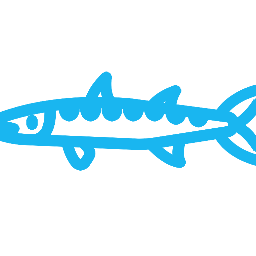
Barracuda
Mid-water, often in numbers
Hangs motionless then vanishes. Large schools on the outer reef are one of the sights divers remember.
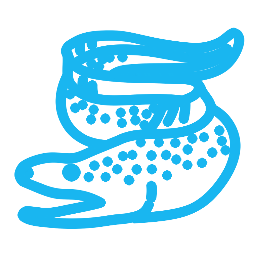
Moray eel
Holes and overhangs
The open mouth is breathing, not a threat. Look into crevices and you will start seeing them everywhere.
Octopus
Dusk and structure
Changes colour and texture in under a second. Finding one is usually the guide spotting it first.
Crabs
Cracks and rubble
Decorator crabs stick sponge and algae to their shells. Worth stopping for on a slow, shallow second dive.
Lobster
Under ledges
Antennae out first, body hidden. Nocturnal, so daytime sightings are the ones tucked deep in the reef.
Sea stars
Sand and seagrass
Red knob stars are the striking ones. Fragile — they are also the animal guests most often want to pick up.
Sea urchins
Shallow reef and rubble
The reason we ask you never to stand on the bottom. Spines break off in skin and are painful to remove.
Sea turtles
Commonly seen
Green and hawksbill. Approach slowly and side-on and they will often keep feeding while you watch.
Rays
Sand flats and channels
Blue-spotted stingrays sit half-buried. Eagle rays pass in open water, usually higher than you expect.
Reef sharks
Occasional, deeper sites
Small, shy and no threat to divers. Seeing one on Diani reefs is a good day, not a dangerous one.
Whale sharks
Seasonal, never guaranteed
The largest fish in the ocean and a filter feeder. Sightings happen from the boat as often as underwater.
Dolphins
From the boat
Several species along the South Coast. Usually seen on the run out or back rather than on a dive.
Humpback whales
July to September
They pass on migration. Heard underwater more often than seen, which is its own experience.
A green turtle resting on the reef off Diani. Photographed on one of the sites above.
Sea turtles
Commonly seen
Species
Green and hawksbill turtles.
Where
Kisima Mungu especially, and Dzinani and Milele. Feeding on seagrass or resting among coral.
When
Year round.
Behaviour
Observation distance. If it moves away you were too close, and a turtle forced to surface early has spent energy it needed.
Rays
Regular
Species
Blue-spotted stingrays, eagle rays, guitar rays.
Where
Sandy patches and reef edges across most local sites.
When
Year round.
Behaviour
Blue-spotted rays sit buried. Look before you settle — and do not settle on sand you have not checked.
Whale sharks
Seasonal, never guaranteed
What
The largest fish in the ocean, and entirely harmless.
Where
Open water rather than a specific reef. Encounters are chance, not itinerary.
When
Roughly November to February, following natural migration. Sightings vary considerably season to season.
Behaviour
No touching, no blocking its path, no dropping the boat in front of it. Encounters are approached responsibly or not at all.
Dolphins
From the boat
What
Several species inhabit Kenya's South Coast.
Where
Most often on the crossing, particularly towards Kisite-Mpunguti.
When
Year round, unpredictably.
Behaviour
We do not chase them or drop swimmers on them. If they come to the boat, that is their decision.
Milele especially. Anywhere you stop moving for long enough.
When
Year round.
The skill
Buoyancy. Macro subjects belong to divers who can hover, not to divers who can swim.
Species pages in preparation
individual species-group pages to follow, cross-linked to the sites and months they relate to
Photographs will be our own, taken on these reefs. Anything we have not observed here ourselves does not go on the page.
Want to understand rather than tick off?
Marine Ecology teaches you to read the reef as a system — what lives where, and why. Shark Ecology is a knowledge programme about behaviour and conservation, and we do not sell it as a shark trip.
Seven people run the centre, four of them born and raised in Diani Beach. Between the four instructors sit more than 13,000 logged dives on this stretch of the Indian Ocean. Two qualified dive guides, Sampuli and Captain Michael, guide dives alongside them.
Ali
Founder · Divemaster Instructor
25+ years diving in Kenya and abroad. Born and raised in Diani Beach.
Kassim
Scuba Instructor
17+ years and 8,000+ logged dives, from Diani to Kisite Mpunguti. SSI and PADI certified.
Salim Swaleh
Scuba Instructor
4,000+ logged dives on Diani sites. Teaches SSI beginner to specialty courses.
Omari
Scuba Instructor
SSI and PADI Open Water Instructor, 1,000+ logged dives. Shoots underwater photo and video.
Sampuli
Dive Guide
Born and raised in Diani Beach. 100+ logged dives. Guides guest divers and runs equipment checks.
Michael
Dive Guide · Captain
20+ years scuba diving and captaining boats. Handles the boat and guides dives.