Skip to content

Divehandsignals
Underwater nobody can talk, so a handful of clear signals does the talking. These are the ones we use on every dive off Diani.
Learn them before you arrive and the briefing becomes a reminder rather than a lesson.
Agencies and dive centres differ in a few details, so your guide will still run through them on the boat.
Written by The Scuba Duka team · Reviewed by Ali, founder and Divemaster Instructor · November 2026
Eighteen signals, one shared language
The ones you will see on every dive with us, in the order they usually come up. Each drawing shows one hand or both, as your buddy sees them.
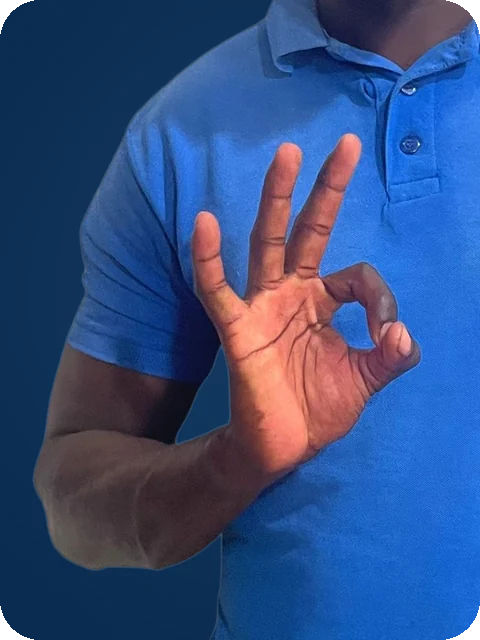
OK
Thumb and index finger make a ring: “I am OK” or “Are you OK?”
Always answer an OK with an OK. If you are not OK, use the signal for something is wrong.
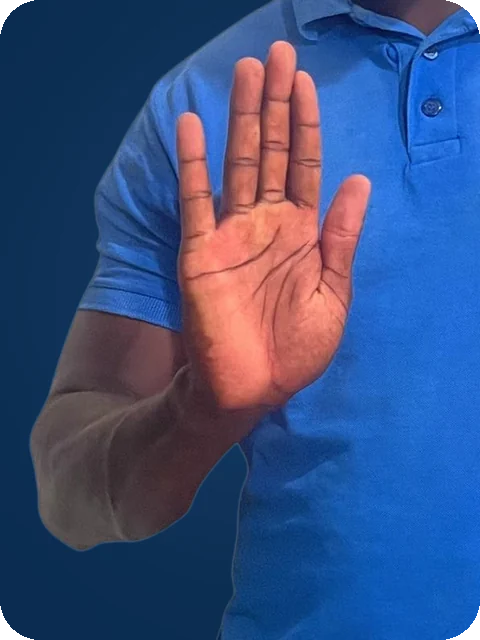
Stop
Flat hand, palm towards your buddy: stop and hold where you are.
Anyone can call a stop, including you.
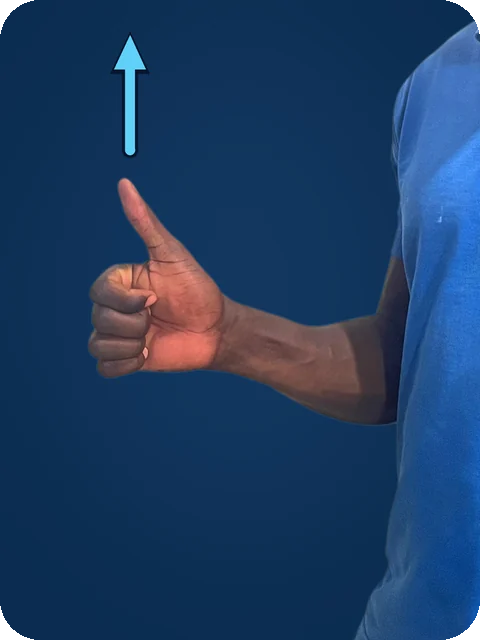
Go up
Thumb pointing up: we end the dive and ascend.
Underwater a thumbs up means up, not “good”. Use OK for “good”.
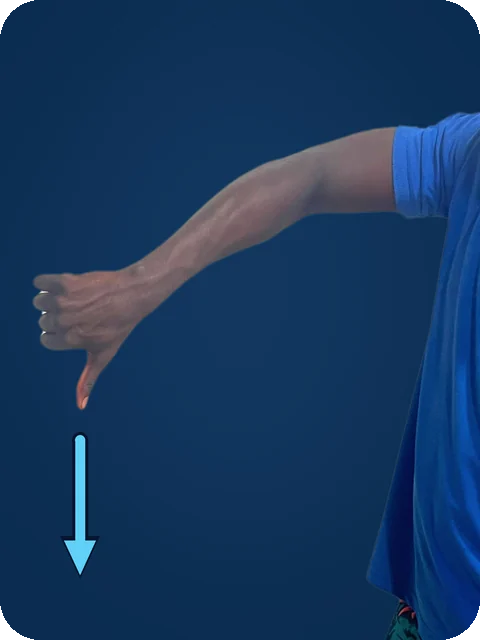
Go down
Thumb pointing down: descend.
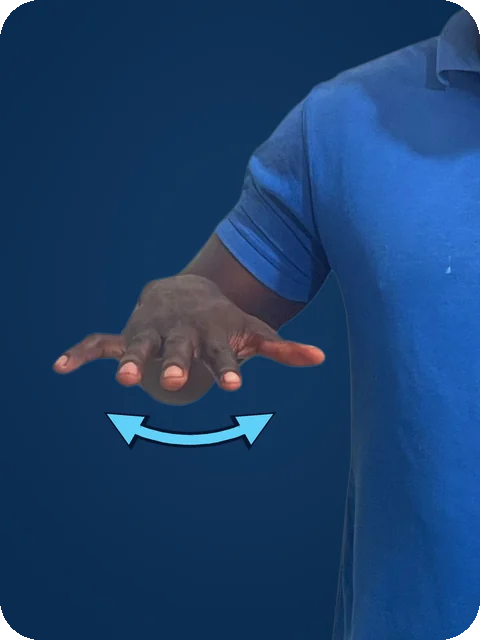
Something is wrong
Flat hand, palm down, rocking from side to side, then point at the problem.
Point at your ear, mask or regulator so your buddy knows what it is.
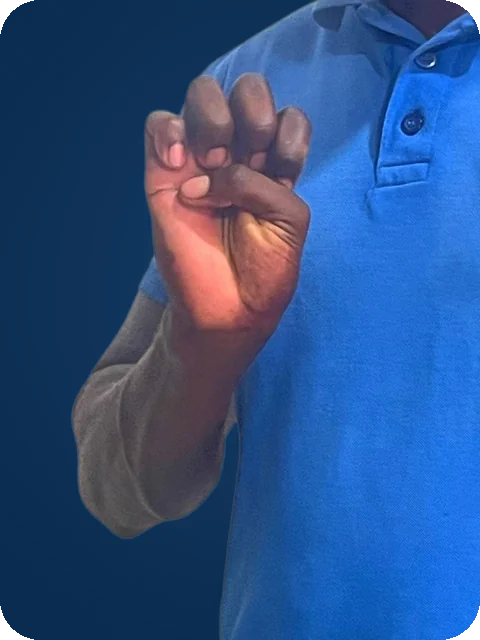
Low on air
Closed fist held against your chest: my air is getting low.
Your guide will start the ascent with you.
Out of air
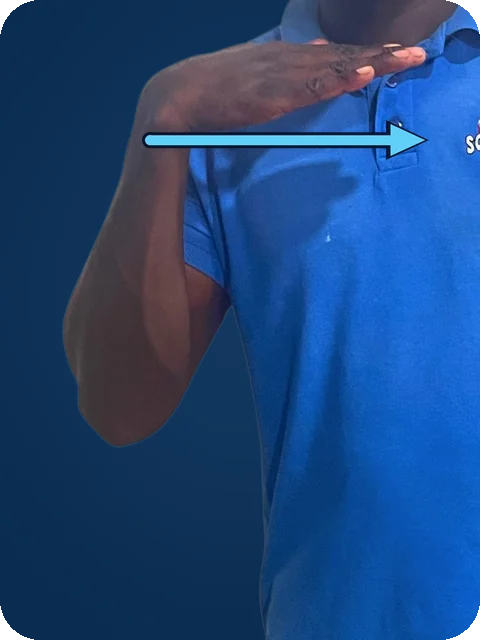
Flat hand moved across your throat: I have no air.
Your buddy gives you their alternate air source straight away.
Share air
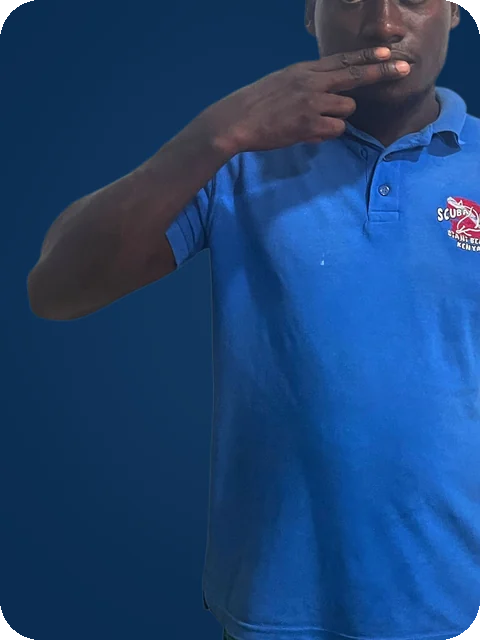
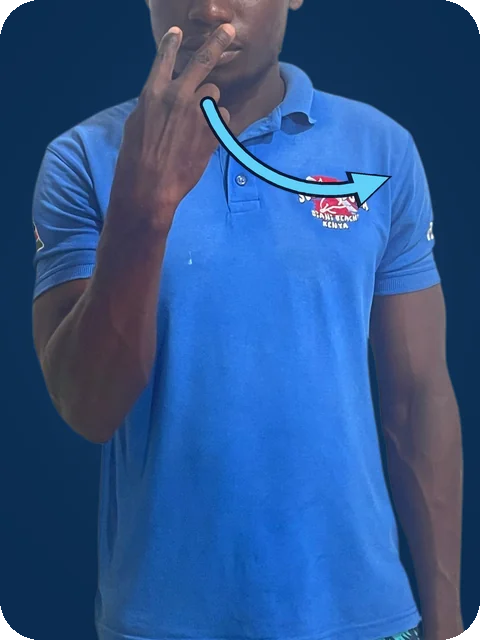
Fingers pointing at your mouth: I need to breathe from your alternate air source.
Look
Two fingers pointing at your eyes, then at what you want to show.
Slow down
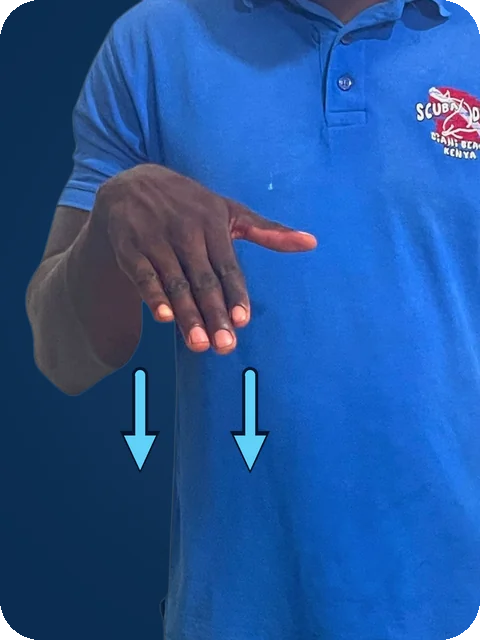
Flat hand, palm down, pushed gently down: slow down, take it easy.
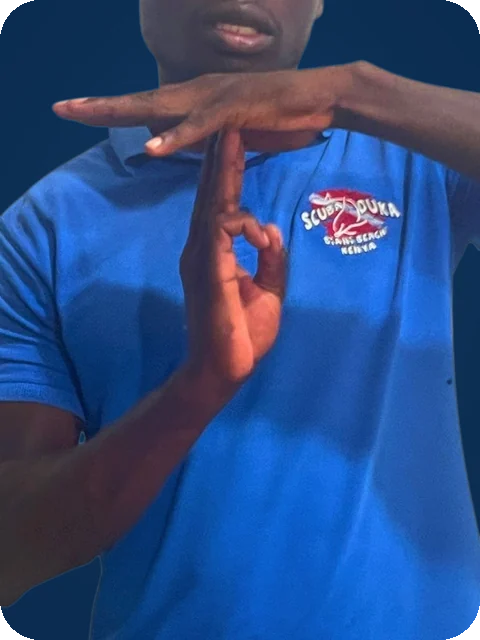
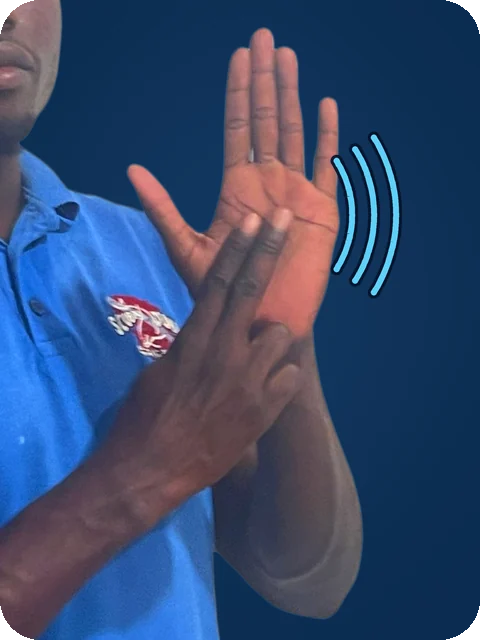
Safety stop
Three fingers held up under a flat hand: three-minute safety stop.
Usually at about 5 metres, at the end of every dive.
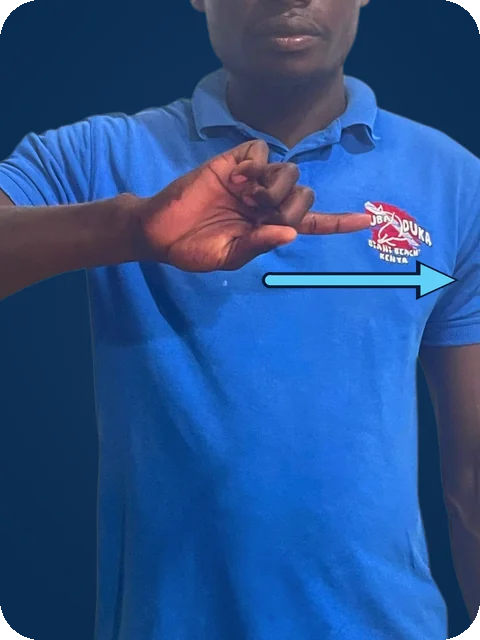
Go that way
Point with your index finger in the direction to swim.
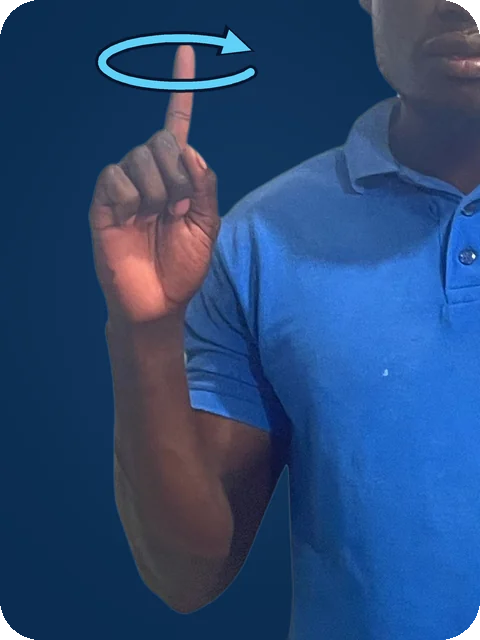
Turn around
Index finger drawing a circle: turn around and head back.
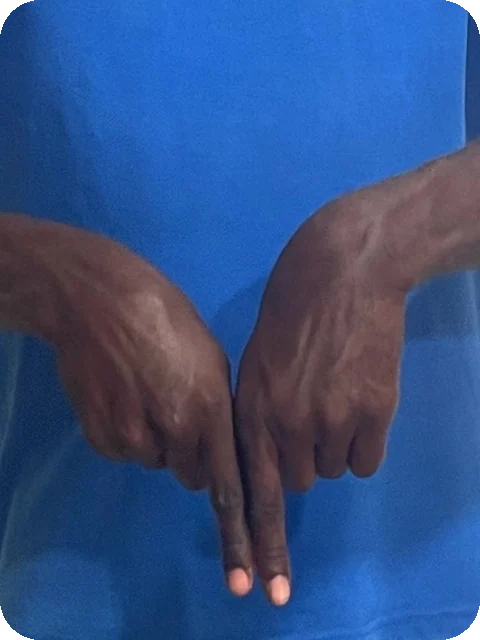
Stay together
Two index fingers side by side: stay with your buddy.
How much air?
Two fingers tapping an open palm: show me how much air you have.
Answer by showing your gauge or computer.
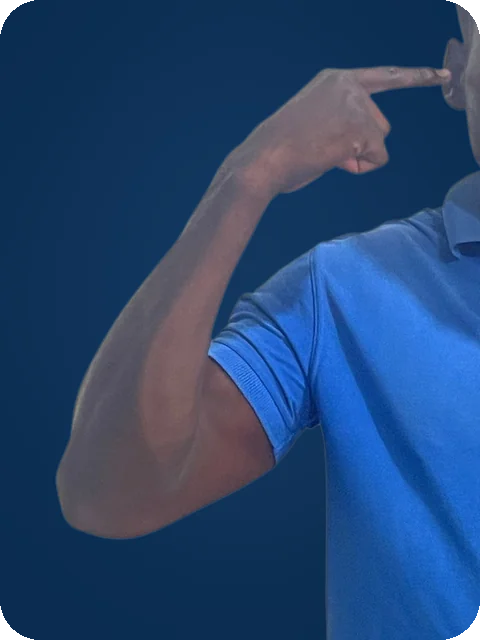
Ear problem
Point at your ear: I cannot equalise.
Go up a little, equalise gently and try again. Never force it.
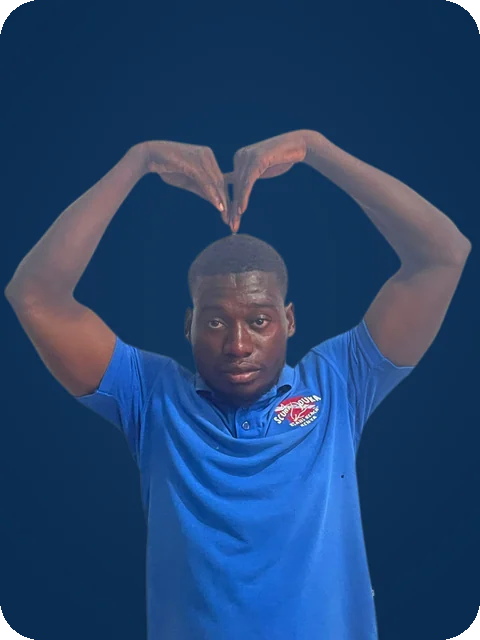
OK at the surface
Arms making a big circle over your head: I am OK.
Big enough for the boat crew to see from a distance.
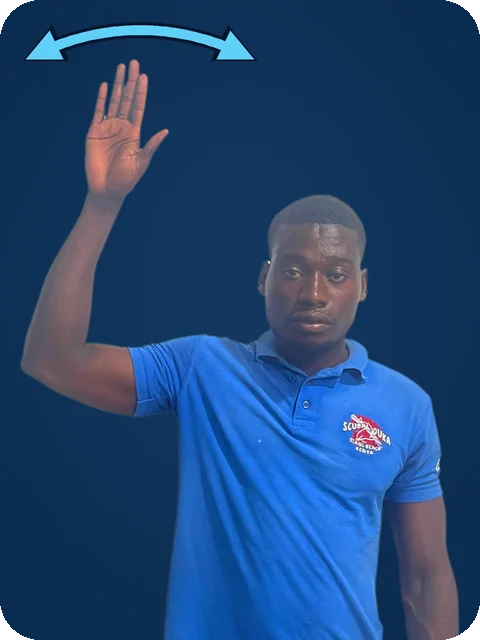
Help at the surface
Arm waving from side to side: I need help.
Only for a real problem at the surface. The boat comes to you.
Three habits that make signals work
- Signal slowly and clearly, in front of your chest where your buddy can see.
- Always answer. A signal that gets no reply has not been understood.
- If you are unsure what you saw, ask again with OK and wait for the reply.
Signals are part of every briefing
Before each dive we go through the signals for that dive, plus any your guide uses for the site, such as the ones for animals you might meet.